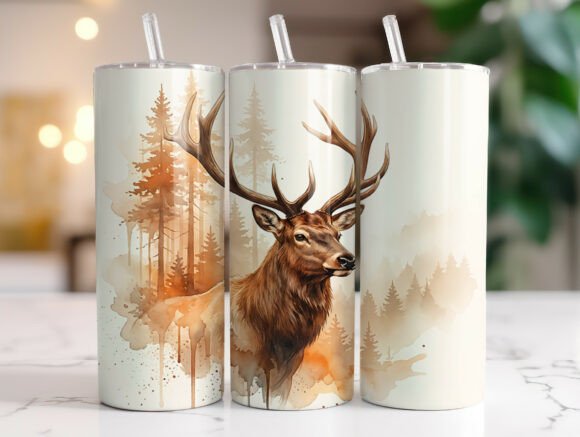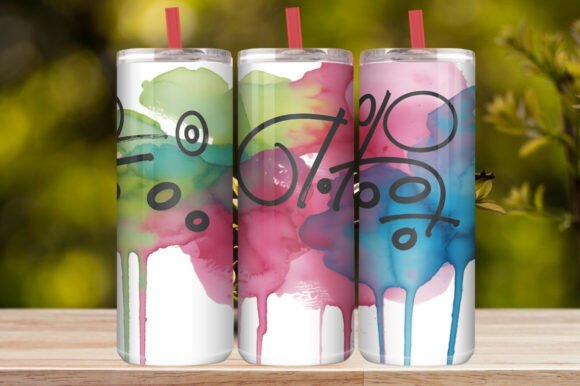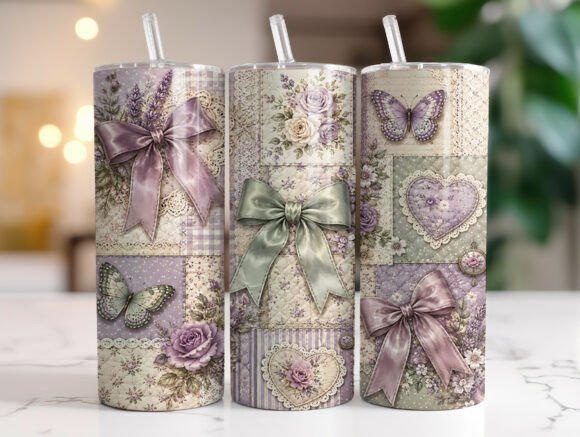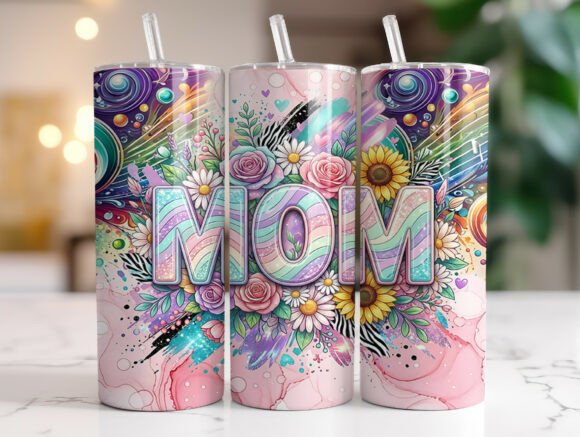
Watercolor Floral Eucalyptus Tumbler PNG Review
I have spent years reviewing digital assets for my own boutique and client work, so I know that a pretty picture on a screen often fails to translate when it hits the hoop. When Watercolor Floral Eucalyptus Tumbler PNG landed in my inbox, I didn't just look at the file size; I looked at how the design would behave under the needle. This is not just another decorative element; it is a specific graphic asset intended for Tumbler Wraps, yet its aesthetic carries over into many other textile applications. As an experienced designer, I put this embroidery file through a mental simulation of real-world production to see if it holds up against the rigors of machine embroidery.
The First Impression: Mood and Visual Personality
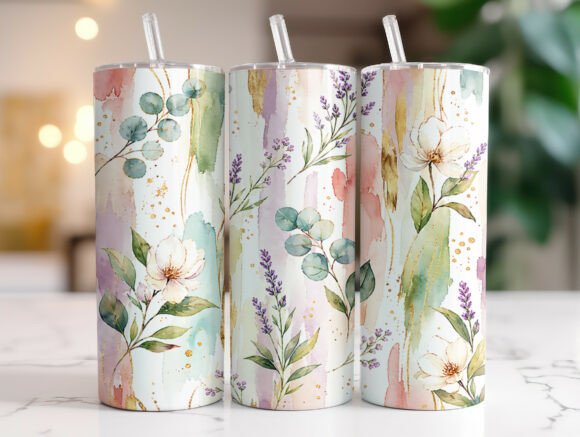
Upon opening the high-resolution 300 DPI image, the immediate feeling is one of organic calm. The watercolor style offers soft edges and blended hues that mimic hand-painted art rather than rigid vector lines. The eucalyptus leaves provide a structural backbone, while the floral elements add a touch of whimsy without overwhelming the composition. For a designer, this balance is crucial. It creates a mood that feels both rustic and refined, perfect for brands targeting a bohemian or modern farmhouse aesthetic.
In terms of layout, the dimensions of 9.3″ x 8.2″ suggest a wrap-around application. The straight and tapered PNG files included are clearly optimized to contour around a cylindrical surface like a 20oz skinny tumbler. However, the visual weight of the design is substantial enough that it could easily be adapted for a large chest pocket on a sweatshirt or a centered motif on a tote bag. The detail level is high, which is exciting, but it also raises questions about stitch density and clarity that we must address before stitching.
Real-World Scenario: From Digital File to Finished Product
Let's imagine a practical scenario. I am preparing a custom order for a local coffee shop owner who wants branded aprons for her staff. She loves the botanical vibe but needs something durable that can withstand daily washing. I decided to test Watercolor Floral Eucalyptus Tumbler PNG as a potential design for these aprons.
The challenge here is translating the "painterly" look of a PNG into thread. In the digital realm, the watercolor effect relies on transparency and subtle color shifts. On fabric, those shifts must be achieved through thread selection and stitch techniques. If I were to use a dense satin stitch to fill the leaves, I might lose the delicate watercolor feel. Instead, I would likely employ a mix of fill stitches with varying thread colors to simulate the gradient, perhaps using a running stitch for the finer veins of the leaves to maintain that airy, hand-drawn quality.
When I visualized the finished product, the design felt appropriate for a professional setting. It elevates the perceived value of the garment. A customer walking into the shop sees a cohesive brand identity. The design isn't just a logo; it is an artistic statement. This kind of thoughtful integration is what separates a generic craft project from a premium small shop product. The softness of the eucalyptus theme also makes it highly giftable, fitting perfectly for holiday gifts, bridal showers, or personalized baby items where a softer palette is preferred over bold, graphic block letters.
Performance on Different Textiles and Surfaces
The versatility of this design asset depends heavily on the substrate. While it is marketed for tumblers, the underlying graphics are adaptable. For custom apparel like t-shirts or hoodies, the design works best on medium-weight cotton blends where the fabric has enough stability to hold the shape of the leaves. The tapered edge allows the design to flow naturally off the shoulder or down the side of a garment.
However, there are limitations to consider. If you plan to use this for embroidered patches on denim jackets, the fine details in the watercolor flowers might get lost if the stitch count is too low. Conversely, if the stitch density is too high, the fabric may pucker, ruining the elegant drape of the design. Thin fabrics, such as silk or lightweight rayon, present a risk; the tension required to pull the threads tight enough to show the detail could cause the material to distort. Similarly, stretchy knits require careful stabilizer placement to prevent the design from warping during wear.
For dark fabrics, the contrast will be key. The light tones of the watercolor flowers need a solid underlay or a specific thread choice to pop. Without proper planning, the design might appear muddy on a black background. In these cases, testing a small sample is non-negotiable. You want to ensure the thread colors chosen provide enough brightness to capture the essence of the original digital image.
Critical Considerations for Embroidery Designers
Before you rush to digitize or print this machine embroidery design, there are several technical factors that determine success. First, always test the design on scrap fabric first. This step reveals how the specific stitch types interact with your chosen thread and fabric combination. Check the stitch density; if the area coverage is too high, the design will become stiff and uncomfortable.
Review the hoop size requirements. Since the file is designed for a 20oz tumbler, the width is significant. Ensure your embroidery machine can accommodate the necessary hoop diameter if you attempt to adapt this for larger projects like a full-back shirt design. If the design includes tiny lettering or intricate corners, inspect them closely. Small details often get lost in the thick texture of heavy fabrics like fleece or towels used for kitchen towels.
Stabilizer selection is equally important. For a design with flowing curves and varying densities, a cut-away stabilizer is usually the safest bet to maintain longevity, especially for items that will be washed frequently. If you are creating commercial embroidery products for resale, confirm the licensing terms. Just because you purchased the file does not automatically grant you the right to sell the finished physical goods or redistribute the digital file itself. Always verify these terms to protect your business.
Visual Appeal and Customer Trust
Ultimately, the goal of any embroidery project is to create a finished product that customers trust. A well-executed Watercolor Floral Eucalyptus Tumbler PNG translates to a sense of professionalism. When a buyer receives a handmade item where the design aligns perfectly with the curve of the container or the grain of the fabric, they perceive higher value. The attention to detail signals that care was taken in the creation process.
This design excels in creating a cohesive brand look. Whether used on a tote bag design, a sweatshirt embroidery, or a nursery decor pillow, the consistent botanical theme builds recognition. It avoids the cluttered look of overly busy patterns, allowing the product to stand out on an Etsy listing or a craft fair table. The soft, natural imagery appeals to a wide demographic, making it a safe yet stylish choice for creative entrepreneurs looking to expand their inventory.
In conclusion, this graphic is a strong contender for anyone looking to add a touch of elegance to their textile projects. It bridges the gap between digital art and tactile craft effectively, provided the technical execution matches the visual promise. By respecting the limitations of the medium and planning carefully, you can turn this simple PNG into a standout piece of handmade product that delights your clients and strengthens your brand.