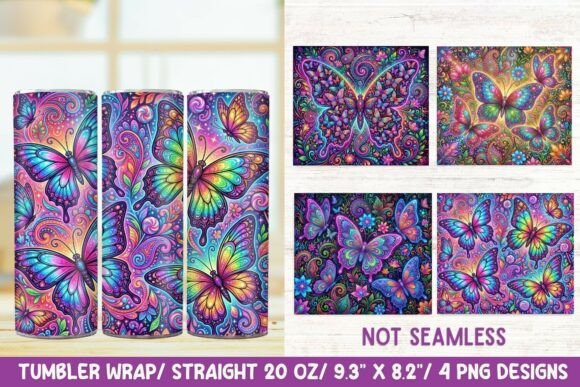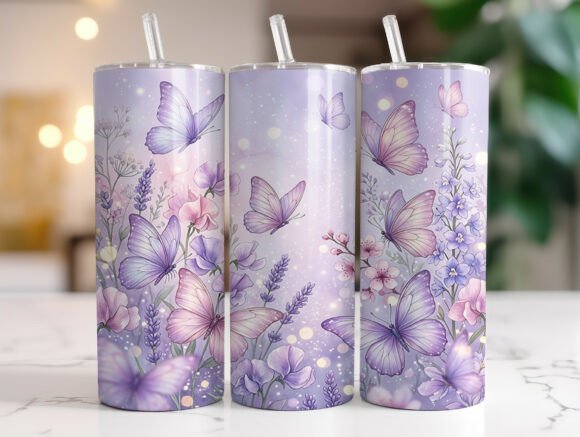
Pink Peony Butterfly Tumbler Sublimation Review
When I first opened the file for Pink Peony Butterfly Tumbler Sublimation, my initial reaction was one of curiosity. As a designer who spends hours every day evaluating digital assets for real-world application, I am always looking for that specific spark where a graphic transitions from a flat image into a viable embroidery project. The prompt mentions this is a sublimation file intended for tumblers, but in the creative world, we often look at these assets and ask: could this work elsewhere? Could it translate to fabric? Does the composition hold up when converted into thread?
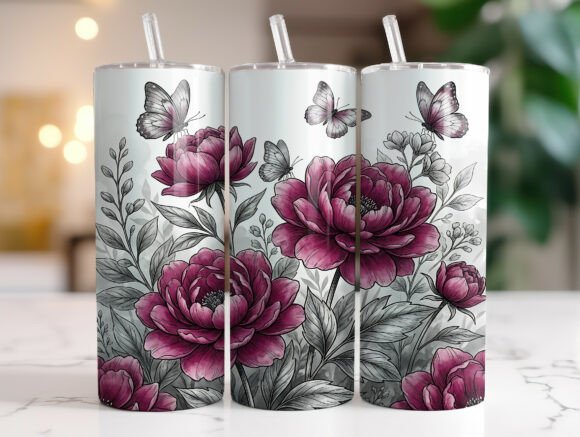
The design immediately establishes a mood that is soft yet vibrant. The combination of the pink peony and the butterfly suggests a theme of delicate beauty and nature. Visually, the layout feels balanced, with the tapered PNG option offering a unique advantage for wrapping around curved surfaces. However, before I could fully commit to using this as a primary asset for a client's boutique line, I had to run through a mental checklist of how a machine embroidery design actually behaves on cloth versus paper.
First Impressions and Design Personality
The visual personality of Pink Peony Butterfly Tumbler Sublimation is undeniably feminine and spring-like. It screams "garden party" or "nursery decor." When you look at the straight PNG version, the 9.3″ x 8.2″ dimensions provide a generous canvas, which is excellent for capturing detail. In embroidery, detail is everything. If a design relies on thin lines or tiny text, it can easily get lost in the stitch density or cause puckering on the fabric.
My concern initially lies in the transition from a sublimation print to an embroidered piece. Sublimation allows for gradients and photorealistic details that thread simply cannot replicate. The question becomes: does the core shape of the peony and butterfly remain distinct when simplified into satin stitches and fill stitches? The high resolution of the 300 DPI file is a good start, ensuring that the vectorization process (if done manually) or the digitizing phase will have enough data to work with. The tapered file adds a layer of versatility, suggesting the designer considered the curvature of a tumbler, which implies a thoughtful approach to spatial dynamics.
Real-World Application: From Graphic to Garment
Let me take you through a hypothetical scenario where I decide to adapt this concept for a custom apparel project. Imagine I am preparing a collection for an Etsy shop specializing in handmade gifts for new mothers. I want to create a matching set: a personalized baby onesie and a tote bag for the hospital bag.
If I were to use the motifs found in Pink Peony Butterfly Tumbler Sublimation as the inspiration for an embroidery file, the potential is strong. The peony is a classic choice for nursery items because it represents prosperity and happy life. The butterfly adds a whimsical touch that appeals to parents. However, applying this directly to a sweatshirt requires careful consideration. A large, detailed floral design on a thick cotton fleece might look heavy if not digitized correctly. The stitch density would need to be adjusted so the fabric doesn't become stiff.
Conversely, for a tote bag made of sturdy canvas, this design could shine. The natural fibers of canvas accept embroidery well, and the contrast between the bright pink tones (represented by thread colors) and the neutral bag would make the Pink Peony Butterfly Tumbler Sublimation motif pop. I would likely place it centrally on the front panel. For a cap, however, I would hesitate. The curvature of a hat creates distortion issues, especially with a tapered design meant for a cylinder. Unless the digitizer specifically accounts for the dome shape, the petals might look distorted or stretched.
Where Caution is Required
Not every surface is created equal, and knowing where to apply Pink Peony Butterfly Tumbler Sublimation is just as important as knowing where not to. If you are planning to use this on textured fabrics like bouclé or chenille, the fine details of the butterfly wings might get swallowed by the pile of the fabric. Similarly, stretchy fabrics like jersey require a stabilizer that prevents the design from distorting during wear. Without proper backing, the peony petals could warp over time.
I also advise caution with dark fabrics. While sublimation handles color blending beautifully, embroidery relies on thread coverage. If the background is black, the pink threads must be dense enough to cover the dark base completely. Otherwise, the design will look muddy rather than crisp. Small hoop sizes present another challenge. If you try to fit a 9.3″ wide design into a small 4″ hoop, you will inevitably lose detail or have to split the design, which can result in visible seams that ruin the aesthetic of the finished product.
Impact on Brand and Customer Trust
In the world of handmade products, the quality of the execution defines the brand. A customer buying a personalized gift expects perfection. If an embroidery design looks sloppy, with loose threads or uneven stitching, it erodes trust immediately. Pink Peony Butterfly Tumbler Sublimation has the potential to elevate a product's perceived value, but only if the final output matches the promise of the digital preview.
For Etsy sellers and small business owners, consistency is key. Using a cohesive theme like this across different product lines—perhaps a kitchen towel, a pillow cover, and a baby blanket—creates a recognizable brand identity. The visual appeal of the peony and butterfly combination is universally liked, making it a safe bet for commercial projects. However, relying solely on the provided PNGs without proper digitization can lead to a generic look. To truly stand out, the design needs to be adapted with appropriate stitch types, such as satin stitch for the outlines and fill stitch for the flower heads, to give it texture and dimension.
Practical Notes for the Embroidery Designer
Before you rush to load this design onto your machine or send it to a production partner, there are critical steps to ensure success. First and foremost, test the design on scrap fabric. This simple step reveals how the thread tension interacts with the material and whether the stabilizer holds up under stress. Check the thread color contrast carefully; sometimes a color that looks perfect on a screen appears dull in thread form.
Review the stitch density. High-resolution files do not automatically guarantee low stitch counts. Ensure that the digitizing software reduces unnecessary complexity while maintaining the integrity of the peony and butterfly shapes. Confirm your hoop size matches the design dimensions; trying to force a 9.3″ design into a smaller hoop is a recipe for failure. Inspect small details closely—if the butterfly antennae are too fine, they may break during stitching or wash out quickly.
It is also wise to test the design in black and white mockups. This helps visualize the contrast and balance without the distraction of color. Compare how it looks against both light and dark backgrounds to ensure versatility. Use the proper stabilizer for the fabric type you are working with; tear-away for stable wovens and cut-away for knits or heavy-use items. Finally, verify the licensing terms. Since the product description specifies "INSTANT DOWNLOAD – NO PHYSICAL PRODUCT WILL BE SHIPPED," ensure you understand the rights regarding commercial use. Are you allowed to sell finished items featuring this design? Is it restricted to personal use only? Clarifying this before starting your project saves legal headaches later.
In conclusion, Pink Peony Butterfly Tumbler Sublimation offers a beautiful foundation for a variety of embroidery projects. Its strength lies in its clear imagery and versatile aspect ratios. Whether you are creating a holiday gift, a boutique product, or a custom piece for a loved one, this design has the potential to look stunning. However, the magic happens in the execution. By treating it as a serious embroidery project rather than just a printable image, and by following the practical guidelines of testing, stabilizing, and digitizing, you can transform this digital asset into a cherished physical object.