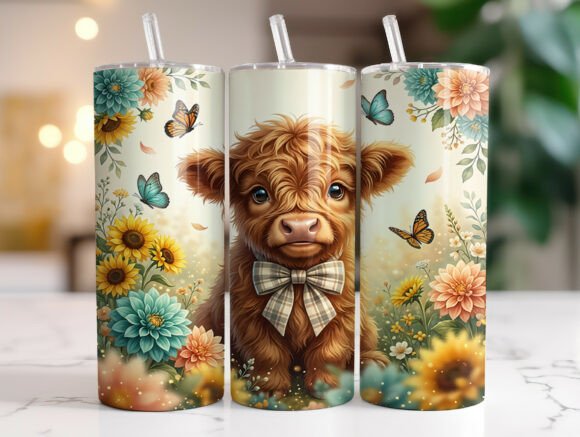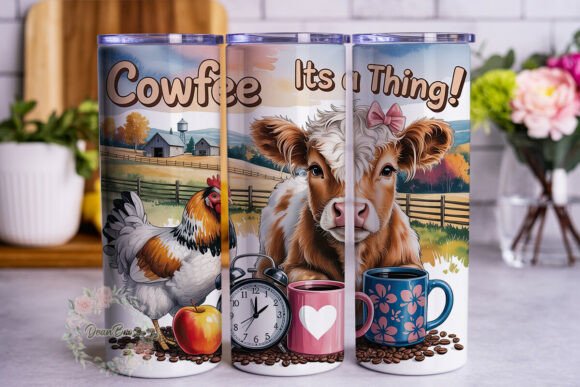
Highland Calf Farm Life 20oz Tumbler Review
When I first opened the folder for Highland Calf Farm Life 20oz Tumbler, I wasn't just looking at a PNG file; I was visualizing how it would translate from a flat digital image into a tactile, stitched reality. As someone who spends hours debugging stitch files and testing thread tension, my initial reaction is less about the marketing copy and more about the practical application of this design asset. The "Farm Life" theme is ubiquitous in the crafting world, but the execution here offers a specific mood that feels grounded and rustic without being cliché. It immediately suggests a product meant for warmth, comfort, and a touch of country charm.
The dimensions provided, 9.3″ x 8.2″, are substantial. For an embroidery designer, this height indicates a piece that demands attention. It isn't a small chest logo or a delicate cuff detail; it is a statement piece. When I imagine placing this on a custom embroidered tote bag or a heavy-duty apron, the scale feels right. It commands space. However, that size also introduces challenges regarding stitch density and fabric stability that we need to address before running this through the machine. The high resolution of 300 DPI ensures that the lines will be crisp when converted for stitching, which is a crucial starting point for any machine embroidery design intended for commercial use.
From Digital File to Finished Product: A Real-World Scenario
Let's walk through a hypothetical project to see how Highland Calf Farm Life 20oz Tumbler performs under pressure. Imagine you are an Etsy seller preparing inventory for a holiday market. You have decided to create a line of personalized kitchen towels featuring this design. The goal is to produce a batch of gifts for local families who love rural aesthetics. You load the design onto your hoop, selecting a medium-weight cotton canvas for the towel.
The first thing you notice is the layout. The design spans nearly the full height of a standard tumbler wrap, which means on a towel, it might look best centered vertically with generous margins. If you were to stitch this directly onto a sweatshirt, the sheer volume of the graphic could overwhelm the garment if placed too low on the back. In this scenario, the design shines as a focal point. Customers scrolling through your shop would likely stop because the imagery promises a cozy, farm-to-table lifestyle. It fits perfectly into the narrative of a boutique selling handmade goods.
However, the transition from a digital embroidery file to a physical object requires careful consideration of the stitch types involved. If the design relies heavily on satin stitch for outlines, you must ensure the underlying fabric has enough body to support the tension. On a thin tea towel, satin stitches might pucker, ruining the clean lines of the Highland calf illustration. Conversely, if the design utilizes fill stitch for the background elements, the texture created adds a lovely depth that mimics the fur of the animal, elevating the perceived value of the handmade product.
Where This Design Excels and Where to Proceed with Caution
This design is versatile, but it is not a one-size-fits-all solution. There are specific environments where Highland Calf Farm Life 20oz Tumbler will thrive and others where it might struggle. For instance, on textured fabrics like waffle knit or bouclé, the fine details of the design could get lost in the weave. The contrast between the thread and the fabric texture becomes paramount. If you are working with dark fabric, you will need to choose light, contrasting threads carefully to maintain legibility. A dark blue thread on a navy shirt might disappear, whereas a cream or gold thread would pop beautifully.
Conversely, there are areas where caution is required. Small hoop sizes are a common pitfall. If you attempt to stitch this entire 9.3-inch height in a single pass using a smaller hoop, you risk distortion. The fabric may shift, leading to misaligned registration. It is often better to split the design or use a larger frame. Additionally, stretchy fabrics like jersey knits require significant stabilizer support. Without a cut-away stabilizer underneath, the stitch density of a large graphic like this can cause the garment to warp over time, especially after washing.
Another critical factor is the durability of the finish. If this design is intended for items that undergo frequent washing, such as baby clothes or work aprons, the quality of the embroidery project depends heavily on the finishing process. Dense stitch areas can trap lint and detergent, making them harder to clean. While the design itself is visually appealing, the longevity of the finished product relies on your technique. Ensuring proper trimming of jump stitches and securing all ends is non-negotiable for professional results.
Practical Notes for the Embroidery Designer
Before you commit to a production run, there are several technical steps you must take. First, always test the design on scrap fabric that matches your final material. This simple step reveals issues with thread tension, pull-in, and fabric puckering that you cannot see on a screen. Check the thread colors against your intended palette; sometimes a color looks perfect on a monitor but appears muddy once stitched.
Review the stitch density closely. If the design contains tiny lettering or intricate details in the corners, verify that they will hold up on your specific machine. Some machines handle fine details better than others. Also, inspect the design in black and white mockups to ensure the composition works regardless of color variations. This helps you understand the balance of negative space versus positive stitch area.
If you plan to sell finished items, confirm the licensing terms explicitly. The prompt mentions that the downloaded files do not include watermarks, which is excellent for clarity, but you must verify if you have the right to resell the physical products made from these graphics. Many designers overlook this, leading to legal complications later. Ensure you are using the correct stabilizer type—cut-away for permanent garments, tear-away for lightweight projects—to maintain the structural integrity of the embroidered patch or tote bag design.
Final Thoughts on Visual Appeal and Market Fit
Highland Calf Farm Life 20oz Tumbler brings a distinct personality to any commercial embroidery project. It appeals to a demographic that values authenticity, nature, and rustic simplicity. When used correctly, it enhances the brand consistency of a small shop, signaling to buyers that the creator pays attention to detail and aesthetic cohesion. The design assets provided are robust enough to serve as a centerpiece for various craft business items, from holiday gifts to boutique branding.
Ultimately, the success of this design lies in the hands of the maker. Whether you are creating a personalized gift for a friend or mass-producing small shop products for an online store, the key is preparation. By understanding the limitations of the fabric, the capabilities of your machine, and the nuances of the design itself, you can transform a simple PNG file into a cherished piece of art. The potential for customer engagement is high, as the imagery resonates deeply with those seeking a connection to the countryside. Just remember to test, stabilize, and execute with precision to ensure every stitch tells the story you intend.