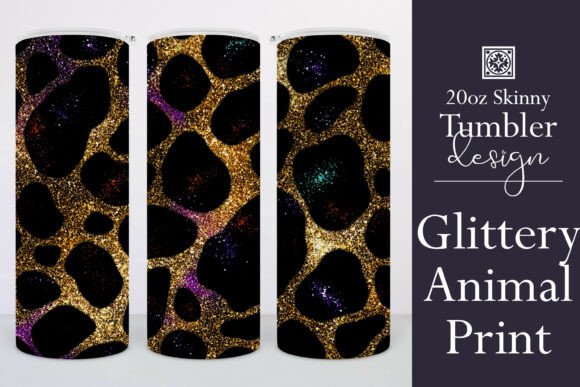
Glitter Animal Print Tumbler Wrap 2: A Designer's Real-World Review
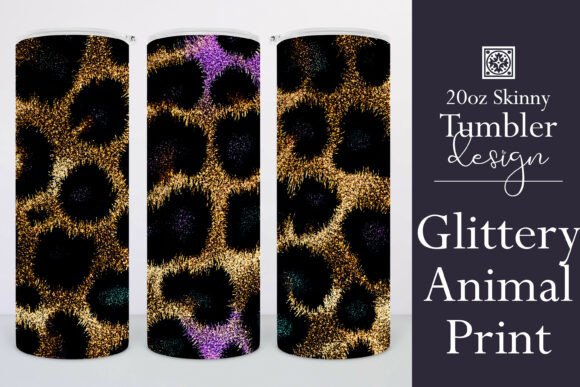
When I first opened the file for Glitter Animal Print Tumbler Wrap 2, my immediate thought wasn't about the technical specs, but about the vibe it projected. In a sea of generic geometric patterns and standard florals, this design carries a distinct personality. It feels bold, slightly edgy, and undeniably trendy. As someone who has spent years evaluating embroidery files for both personal hobby projects and commercial small business ventures, I know that the difference between a design that sells and one that gathers dust often comes down to this initial visual impact. This isn't just a pattern; it is a statement piece designed to elevate a simple product into something memorable.
The description highlights its suitability for a 20oz tumbler, which is the gold standard in the custom drinkware market right now. However, as an experienced designer, I rarely look at a file strictly through the lens of its primary intended use. I ask myself: where else does this DNA fit? Can it translate to fabric? Does it hold up when stitched rather than printed? The answer, surprisingly, is yes, provided you understand the medium. While the source material describes this as a graphic for sublimation, the "glitter" aesthetic translates beautifully into thread work if approached with the right technique.
Imagine you are preparing a batch of custom apparel for a local boutique or creating personalized gifts for a holiday sale. You have a stack of dark-colored sweatshirts waiting on your table. Placing Glitter Animal Print Tumbler Wrap 2 on the chest area would create a striking focal point. Unlike a flat print that might crack over time, an embroidered version adds texture and depth. The animal print motif suggests wildness and confidence, making it perfect for youth apparel, biker gear, or even a fun, high-energy baby onesie line. The layout is dynamic enough to wrap around curves, which is exactly what you need when working on hats or rounded tumblers.
Real-Life Application: From Digital File to Finished Product
Let's walk through a specific scenario to see how this design performs under pressure. Suppose you run a small Etsy shop specializing in handmade kitchen goods. You decide to launch a new line of aprons for home cooks who love to stand out. You take Glitter Animal Print Tumbler Wrap 2 and adapt it for a chest pocket placement on a canvas apron. The contrast of the glittery, textured animal print against the sturdy cotton canvas creates an instant upgrade in perceived value.
Customers scrolling through your listings will stop because the image pops. When they receive the item, the tactile experience of the embroidery reinforces the quality. It moves beyond a cheap novelty item into a professional accessory. Similarly, think about using this design for a set of matching tea towels for a wedding gift. The playful nature of the animal print makes it less formal than traditional monograms but far more unique than standard floral patterns. It bridges the gap between rustic farmhouse style and modern chic.
However, not every surface is a good match. If you attempt to stitch this on a stretchy jersey knit without proper stabilization, the tension of the fill stitches could cause the fabric to pucker, ruining the crisp lines of the animal print. This is where the importance of choosing the right stabilizer becomes critical. For delicate fabrics like thin silk or sheer polyester, the density of the design might be too heavy. In those cases, the design works better as a digital asset for printing or as a large-scale applique piece rather than a dense embroidery block.
Navigating Technical Challenges in Embroidery
One of the most common pitfalls I see designers make is ignoring the limitations of their hoop size relative to the design complexity. Glitter Animal Print Tumbler Wrap 2 features intricate details that mimic the randomness of animal fur or scales. If you try to shrink this down too much for a tiny patch on a cap brim, those details can merge together during stitching, resulting in a muddy blob rather than a clear pattern. Always test the design on scrap fabric first to ensure the smallest elements remain visible.
Thread color selection is another crucial factor. To achieve that "glitter" effect mentioned in the product title, you cannot simply use standard matte threads. You must consider using metallics, variegated threads, or even incorporating sequins if your machine supports it. The interplay between light and shadow is what gives the design its life. On a dark background, lighter thread colors will pop, but on a light background, you might need darker shades to define the shape. Testing your design in black and white mockups before cutting fabric is a smart habit that saves money on wasted materials.
Furthermore, consider the washing instructions for your final product. Embroidered items, especially those with dense fill stitches, require care. If you are selling these as part of a commercial line, you must advise your customers on how to wash the item to preserve the integrity of the stitches. Frequent washing on harsh cycles can fray the edges of the design, particularly if the fabric texture is rough. For products like tote bags or kitchen towels that see heavy use, the durability of the stitch type matters immensely.
Strategic Use Cases for Your Business
For the craft business owner, versatility is key. While the file is marketed as a Tumbler Wrap, thinking outside the box can open new revenue streams. Here are a few practical applications where this design shines:
- Baby Items: The playful theme fits perfectly on burp cloths, bibs, or nursery wall hangings. The soft curves of the animal print are gentle enough for a baby's room decor.
- Holiday Gifts: During the winter season, this design can be adapted for festive sweaters or stockings. The "wild" theme contrasts nicely with traditional cozy aesthetics, creating a unique gift option.
- Branding Assets: Use the design as a watermark or a decorative element in your printable mockups. It adds a layer of professionalism to your digital previews, helping potential buyers visualize the finished product better.
- Custom Patches: With the right backing, this could serve as an iron-on patch for denim jackets or backpacks, allowing customers to personalize their gear.
It is important to remember that while the file is a Graphics file provided at 300dpi, converting it to a stitchable format requires careful digitizing. If you are not a digitizer yourself, you may need to hire a professional to convert this raster image into a machine-readable embroidery file. Do not assume the file will work directly on your machine without conversion. Check the licensing terms carefully to ensure you have the right to sell finished items created from this design. Some licenses restrict commercial use, while others allow it freely.
Ultimately, Glitter Animal Print Tumbler Wrap 2 is a strong candidate for any maker looking to add a touch of flair to their inventory. It offers a balance of trendiness and timelessness that appeals to a wide audience. Whether you are a seasoned pro or just starting your journey in the world of handmade goods, this design provides a solid foundation for creating high-value, personalized products. Just remember to respect the technical constraints of embroidery, choose your materials wisely, and always prioritize the quality of the finish over the speed of production. When done right, the result is a finished product that customers will cherish and recommend to others.