Big Heart to Teach Little Minds Tumbler Review
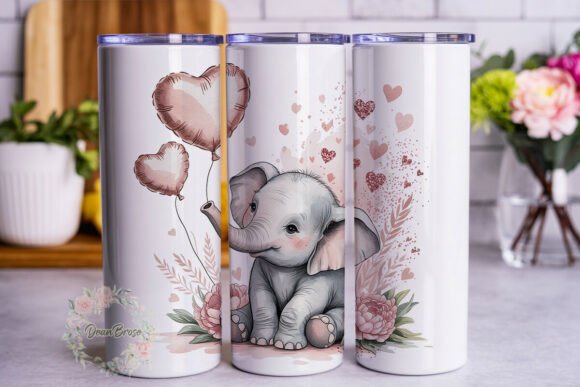
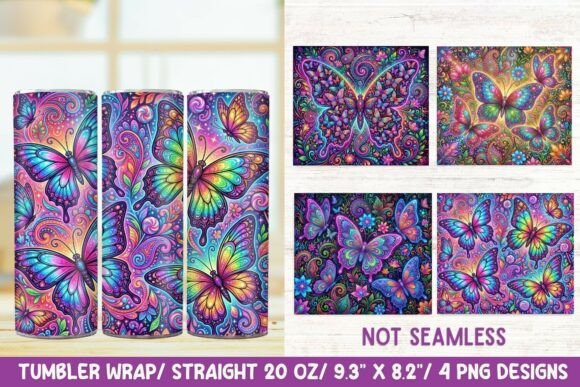
As a designer who has spent years refining embroidery files for both personal hobby projects and high-volume commercial production, I approach every new asset with a mix of excitement and skepticism. We have all seen the endless stream of digital downloads promising "perfect results," only to end up with puckered fabric or lost details after the first wash. Recently, I examined Big Heart to Teach Little Minds Tumbler, a design specifically categorized under Tumbler Wraps and Graphics. While it is marketed as an instant download PNG file intended for 20oz skinny tumblers, my review looks at its potential application across a broader spectrum of textile crafts, from custom apparel to boutique merchandise.
The First Impression: Mood and Layout
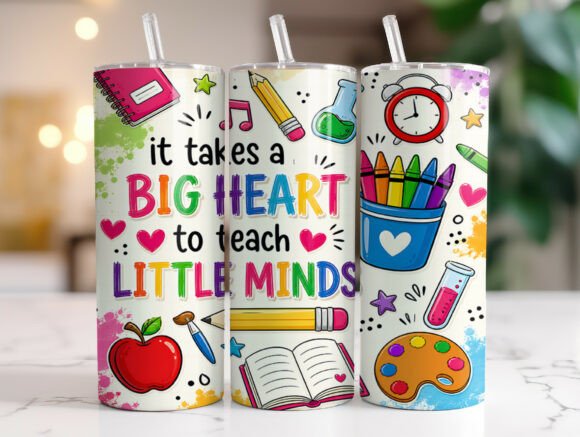
When you first load the file into your digitizing software or mockup tool, the immediate feeling is one of warmth and educational intent. The title itself suggests a narrative—a teacher, a mentor, or a parent sharing wisdom. Visually, the design relies on a large heart motif paired with typography that needs to be legible even when scaled down. For a tumbler wrap, this layout makes sense because the curved surface of a 20oz skinny tumbler requires a tapered shape to avoid bunching at the edges. However, seeing how the lines flow gives me pause regarding its versatility elsewhere.
The design personality feels gentle and inviting. It is not aggressive or overly complex, which is excellent for a product meant to be gifted. In a retail setting, such as an Etsy shop selling personalized gifts, this kind of visual language builds immediate trust. It signals quality and care without needing expensive embellishments. If this were printed on a plain white mug, it would work well. But in embroidery, where thread texture and stitch density play massive roles, the mood must translate through physical construction, not just pixels.
Real-World Application: Beyond the Tumbler
Let's imagine a scenario where I am preparing a batch of items for a local craft fair. My goal is to create a cohesive line of back-to-school merchandise. I am considering using Big Heart to Teach Little Minds Tumbler not just on drinkware, but perhaps adapted for tote bags, aprons, or baby onesies. This is where the practical judgment comes in.
For a tote bag design, the dimensions of 9.3″ x 8.2″ are substantial. On a canvas bag, this would make a statement piece. The straight PNG file provided offers a solid base for placement on the front panel of a canvas tote. However, if I were to attempt this on a sweatshirt embroidery project, the taper might look odd unless I manually adjust the curve to match the garment's drape. The design works best when the substrate mimics the cylinder of a tumbler. On flat surfaces like pillow covers or kitchen towels, the "tapered" aspect becomes less relevant, potentially leaving empty space that disrupts the balance.
I also considered using this for baby embroidery. The theme is perfect for nursery decor or a gift for a new teacher-parent. Yet, the size is a critical factor here. A 9-inch wide design is too large for the chest area of an infant outfit. It would overwhelm the garment. This highlights a crucial point for designers: always visualize the scale relative to the final product. What looks balanced on a mockup of a tumbler can look clumsy on a small hoodie or a patch.
Technical Considerations and Stitch Clarity
Transitioning from a graphic to a machine embroidery design introduces specific challenges. The product description mentions high-resolution PNGs at 300 DPI, which is great for printing mockups, but it does not provide the actual stitch file (like .DST or .PES). This is a vital distinction. As a reviewer, I must advise that before purchasing or using this for a commercial embroidery project, you need to ensure you have the proper digitized version.
If you are converting this graphic into stitches yourself, pay close attention to the stitch density. Large areas of fill stitch can cause fabric distortion, especially on thin materials. If this design features a lot of satin stitch for the lettering, it must be robust enough to withstand friction. On a tumbler, the material is often smooth plastic or metal, so the embroidery sits on top. But if you apply this to a textured fabric like fleece or a thick cotton blend, the threads might get lost or the fabric might pucker around the dense areas.
Another technical hurdle is the hoop size. The design spans nearly 10 inches in width. You will need a large hoop to capture the entire image without cutting off the edges. This limits its use on smaller items like caps or hats where the curvature is tight. Attempting to fit a 9.3-inch design onto a baseball cap requires significant resizing, which risks blurring the fine details of the text. For a custom apparel project, you must confirm that the machine can handle the required hoop diameter and that the stabilizer chosen is strong enough to support the weight of the thread.
Where to Use Carefully
While this design has charm, there are specific situations where it should be used with caution. Avoid using this on stretchy fabric like jersey knit unless you have expert-level stabilization skills. The tension of the stitching could warp the fabric, ruining the fit of a shirt or hat. Similarly, on dark fabric, you must evaluate the contrast of the thread colors. If the design relies on light threads against a dark background, the shadowing effect of satin stitches can sometimes reduce legibility.
I would also hesitate to use this for products that require frequent washing, such as aprons or kitchen towels, unless the digitization includes a high level of reinforcement. Decorative accents that are too delicate may snag during heavy-duty cleaning cycles. Furthermore, if you are creating an embroidered patch, the corners of the design must be clean. If the original graphic has intricate details in the corners, they might not hold up well when trimmed and edged.
Impact on Brand and Customer Trust
In the world of handmade businesses, the presentation of a finished product speaks volumes. A well-executed personalized gift featuring a thoughtful design like Big Heart to Teach Little Minds Tumbler can elevate a simple item into a cherished keepsake. Customers associate clear, professional-looking embroidery with reliability. If the design looks sloppy—due to poor thread choice or incorrect density—it can damage the reputation of a small shop product.
This design supports a brand identity focused on education, care, and connection. It fits naturally into holiday embroidery collections or back-to-school sales. When displayed in a printable mockup or shown in person at a craft fair, the visual appeal is strong. It helps buyers visualize the emotional value of the item, not just the utility. For an Etsy seller, this kind of thematic consistency can drive engagement and repeat purchases.
Practical Designer Notes for Success
Before you commit to producing a batch of items with this asset, follow these essential steps to ensure a professional result:
- Test on scrap fabric: Always run a test sample to check for puckering and thread tension.
- Check thread color contrast: Ensure the chosen threads pop against your specific fabric background.
- Review stitch density: If you are digitizing, ensure the fill is not too heavy for the fabric type.
- Confirm hoop size: Verify that your machine can accommodate the 9.3″ width comfortably.
- Inspect small details: Zoom in on the text to ensure no letters will disappear due to thread thickness.
- Test in black and white: Convert your mockup to grayscale to check for value contrast issues.
- Use proper stabilizer: Select a cut-away or tear-away stabilizer appropriate for the fabric weight.
- Verify licensing: Confirm whether the license allows for commercial embroidery and selling finished goods.
In conclusion, Big Heart to Teach Little Minds Tumbler is a compelling asset for those looking to add a touch of sentimentality to their craft business. Its strengths lie in its clear theme and suitability for cylindrical objects like tumblers. However, success depends entirely on the execution. By understanding the limitations of the format and respecting the technical requirements of embroidery files, designers can transform this graphic into a stunning finished product that delights customers and stands the test of time.